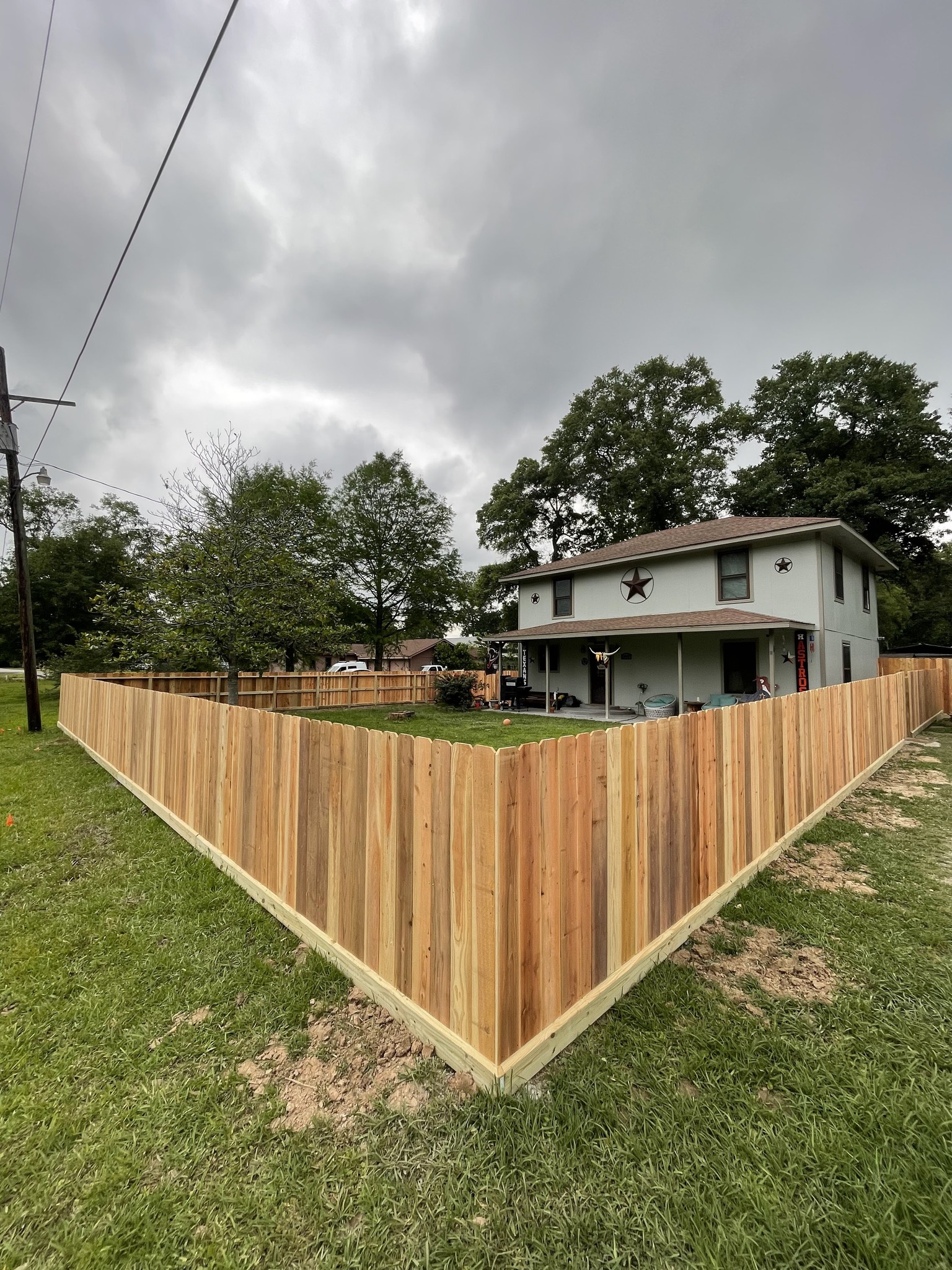
The Role of Fencing in Sustainable Landscaping: Insights from Kingdom Fence Jan 02, 2026
To begin with, the choice of materials is crucial in sustainable fencing. Opting for eco-friendly materials like sustainably-sourced wood, recycled metals, or composites made from recycled plastics helps reduce the environmental footprint. Wood fences, for instance, should be made from fast-growing tree species or those certified by organizations such as the Forest Stewardship Council (FSC). By selecting these materials, you ensure that the resources are used responsibly, contributing to broader conservation efforts.
Moreover, fencing can play a significant role in biodiversity. Strategic fencing solutions can help create habitats for local wildlife, thereby enhancing the biodiversity of your landscape. By constructing fences with gaps or spaces, you allow passage for small animals, which can foster a mini-ecosystem in your backyard. This consideration not only supports wildlife but also provides a natural form of pest control, as beneficial creatures will help manage any unwanted pests.
Creating windbreaks is another critical aspect where fencing can support sustainable landscaping. In regions with strong winds, fences act as protective barriers for plants, reducing soil erosion and water evaporation. A thoughtfully designed fence can moderate microclimates and minimize weather extremes, helping your garden thrive with less water and supplementary resources. By doing so, you are investing in a landscape that is resilient and efficient in terms of resource usage.
Water management is a key concern in sustainable landscaping, and fencing can contribute positively. Fencing materials that allow rainwater to pass through can help manage runoff effectively, ensuring that your plant beds receive the right amount of water and reducing the need for additional irrigation. Permeable designs in fencing can guide how water flows across your property, minimizing wastage and enhancing the health of your landscape.
Furthermore, when considering the aesthetic appeal, fences provide an opportunity to incorporate green elements into your design. Vertical gardens or green walls can be integrated into fencing structures, adding visual interest and improving air quality. Upcycled materials, like old metal fencing or reused wooden panels, offer unique design features while also being kind to the environment.
Finally, the longevity and maintenance of fencing also affect sustainability. Durable fencing solutions, which require minimal upkeep and last for many years, reduce the need for frequent replacements and repairs. Choosing materials that are resistant to pests and weather damage extends the lifespan of your fence, providing long-term ecological and economic benefits.
In summary, the role of fencing in sustainable landscaping is multifaceted, encompassing the choice of materials, contribution to biodiversity, support for microclimates, water management, aesthetic enhancement, and durability. At Kingdom Fence, we are committed to providing solutions that align with sustainable practices, helping you create outdoor spaces that are beautiful, functional, and eco-friendly. By choosing sustainable fencing options, you are making a positive impact on the environment while enriching your living space. As more individuals and companies aim to reduce their carbon footprint, these sustainable choices in fencing serve as a pivotal step toward a greener future.
/filters:no_upscale()/filters:format(webp)/media/ff797b36-26e9-4665-831f-2a2df52a621e.jpg)